The 1920s introduced bold geometry, luxury materials, and the rise of Art Deco. Discover how this era continues to influence design today.
The 1920s marked a turning point in design—an era defined by optimism, innovation, and a shift toward modern living. As architecture and interiors evolved, a new design language emerged that balanced elegance with function: Art Deco.
While the style itself feels distinct to its time, many of the principles introduced during this period—intentional materials, geometric clarity, and a focus on experience—continue to influence how we design today.
With the end of World War I, families were reunited and growing, so naturally, the house building industry ramped up. Home design catalogs became a popular way to choose a brand new property, such as the popular Sears catalog. Whether the home was prefab or custom, the focus still remained on having a comfortable living room, which likely had a fireplace. Floors were generally wooden or tiled and large colorful rugs would be used for warmth and comfort.
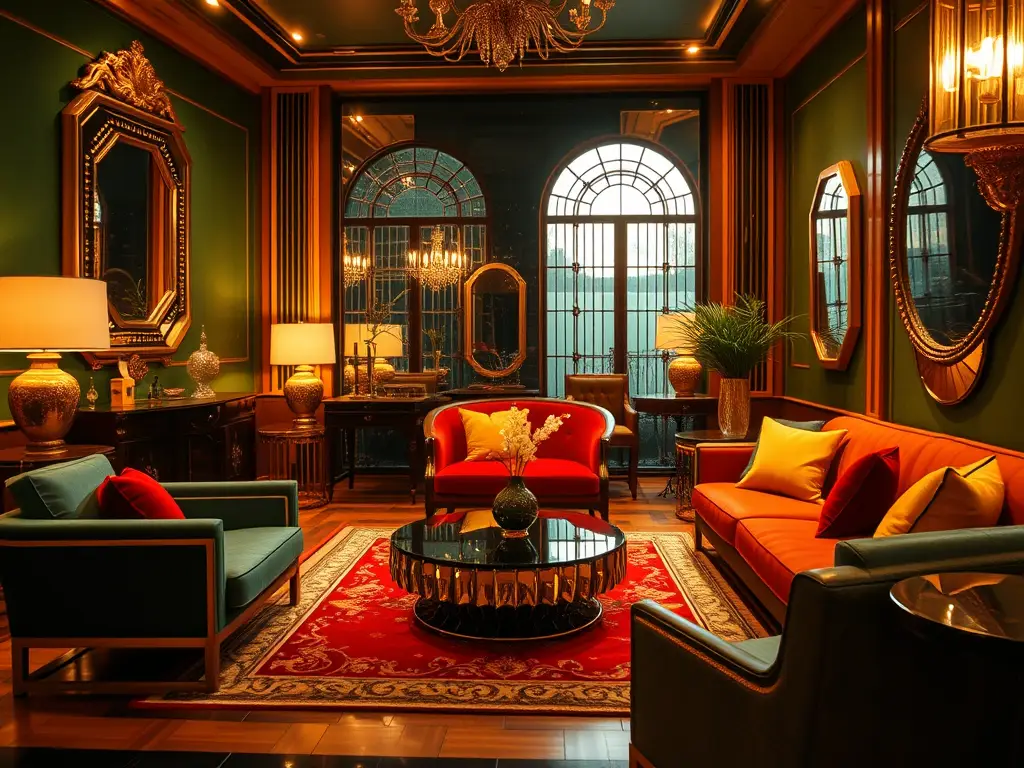
With the newfound love of Art Deco style, homes tended to use rich shades of greens, reds, yellows, blues and purples, which were often freely mixed. Modern fashion included exotic prints and patterns, especially sharp geometric patterns in metallics.
Although Art Deco was the most glamorous interior design trend of the decade, most everyday homes had a toned down version of it. Art Deco became popular for its geometric furniture, bold colors and metallics, and statement mirrors, curved chairs and sofas. An everyday home had elements of this and made the room equally beautiful.
What’s interesting is that many of these design principles—clarity, intention, and cohesion—are the same ones that still shape successful projects today.
If you’re in the early stages of planning, this is a helpful place to start
If you wish to convert your living room to a 1920s style, adding pieces to your home to embody this interior design style is easy to do!
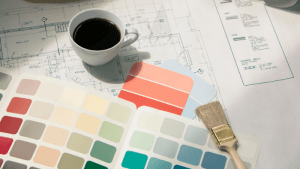
Is this living room calling your name? We’ve put together a few inspirational color palettes if you want to bring the 19020’s into your home today!
We are supported by our audience – when you purchase through links on our site, we may earn an affiliate commission. We only recommend products we believe in and it never affects your price.
Why This Era Still Matters
The 1920s weren’t just about a style—they represented a shift toward more intentional design. Materials were chosen with purpose, spaces were designed with experience in mind, and aesthetics were tied closely to function.
That same mindset still applies today. The most successful projects aren’t defined by trends—they’re shaped by thoughtful decisions made early.
Do the 1920s speak to you? If not, which decade speaks to you the most? Let us know in the comments!
Jessie Ellis
Founder | Architectural Designer
Jessie Ellis is an architectural designer and founder of Gable Design. She helps homeowners and small businesses navigate design and construction decisions with clarity, confidence, and intention—before those decisions become expensive or overwhelming. Drawing from experience across residential and commercial projects, Jessie focuses on thoughtful planning that leads to calmer processes and better long-term outcomes.
Most people make their biggest mistakes before they even start.
The early decisions shape everything. Budget, timeline, and how smoothly your project actually goes.
I share the exact insights I walk through with clients before they commit. What to think about, what to avoid, and what most people only learn after it gets expensive.
If you want to move forward with clarity instead of second guessing, this is where to start.
No spam. Just thoughtful guidance for real projects and real decisions.
Join the Gable Design list and receive a 10% discount on planning tools, plus thoughtful guidance to help you make informed decisions before design, permitting, or construction begins.
We respect your inbox. No spam – unsubscribe at anytime. Read our privacy policy for more info.